


From March to May 2026, PMQ Seed collaborated with the Design Thinking team of the Hong Kong Design Institute (HKDI), along with artists, designers, artificial intelligence (AI) training specialists, school teachers, and social workers—professionals with extensive teaching and experience working with students, to organise a series of Train the Trainer Workshops.
The workshops were primarily designed for cross-disciplinary creative practitioners and school teachers participating in this year’s PMQ Seed Creative Education Programme. We also welcomed local teachers and professionals from the education and creative sectors who are interested in creative education to join the workshops, to help participants gain a deeper understanding of how cross-sector collaboration can put design thinking into practice, explore its diverse applications, learn how AI can be integrated into teaching, examine AI's potential as a tool for artistic creation, and acquire theoretical knowledge related to resilience-building.
Participants were encouraged to apply what they learned from the Train the Trainer Workshops in the upcoming PMQ Seed programme and their future teaching in order to promote design thinking and creative education. The HKDI team will also provide professional advice for the upcoming PMQ Seed programme.
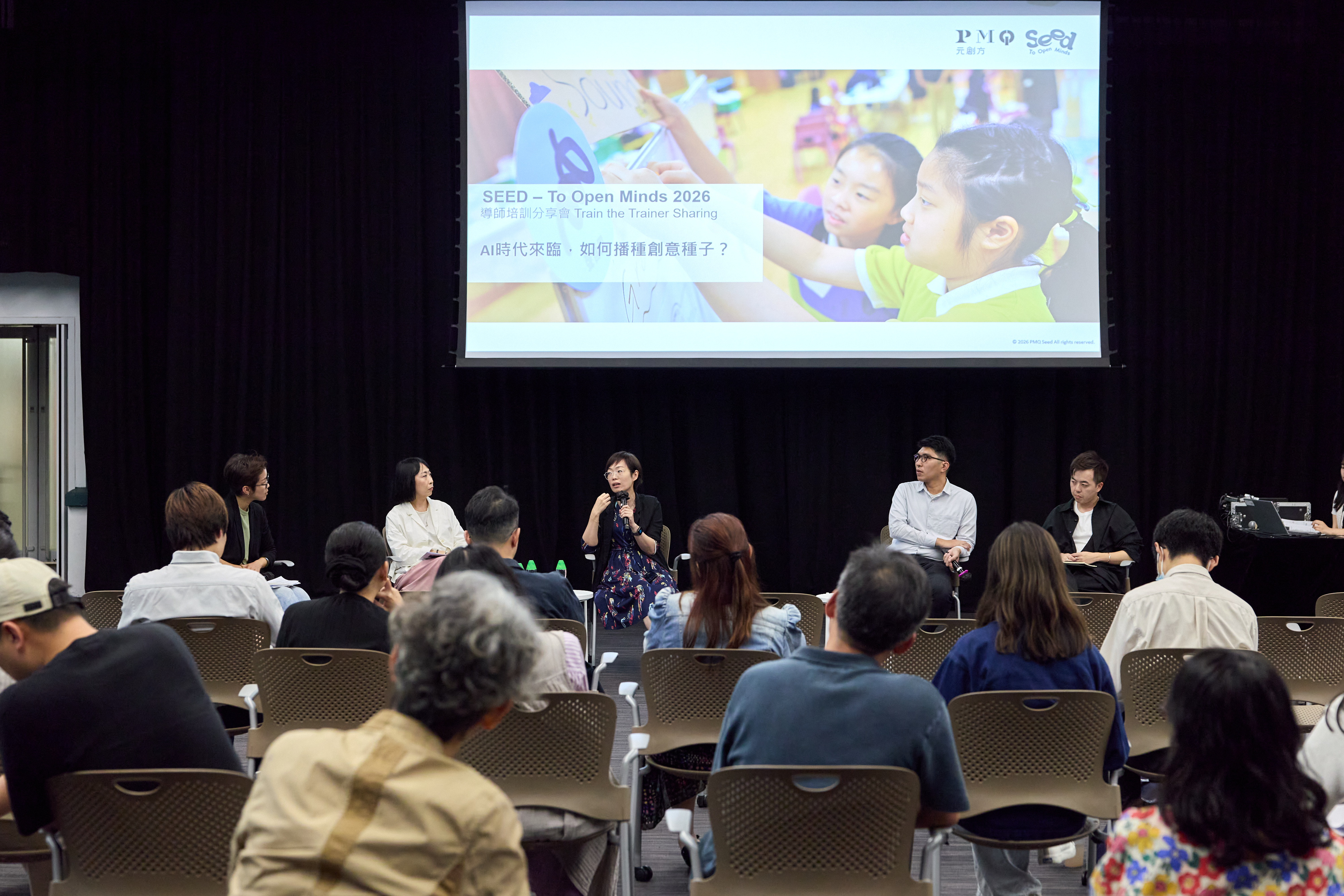
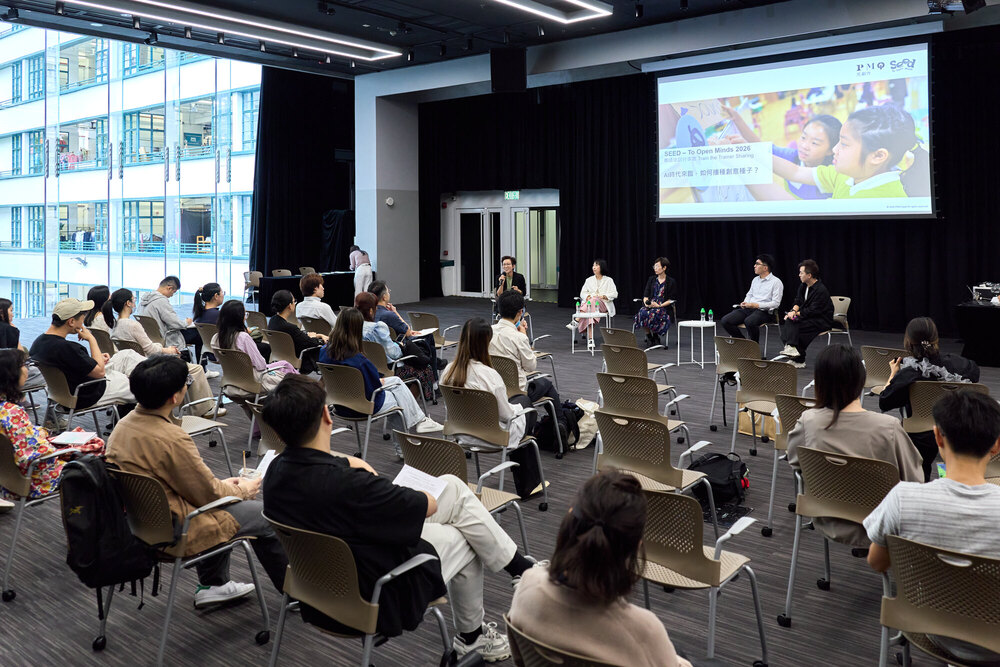
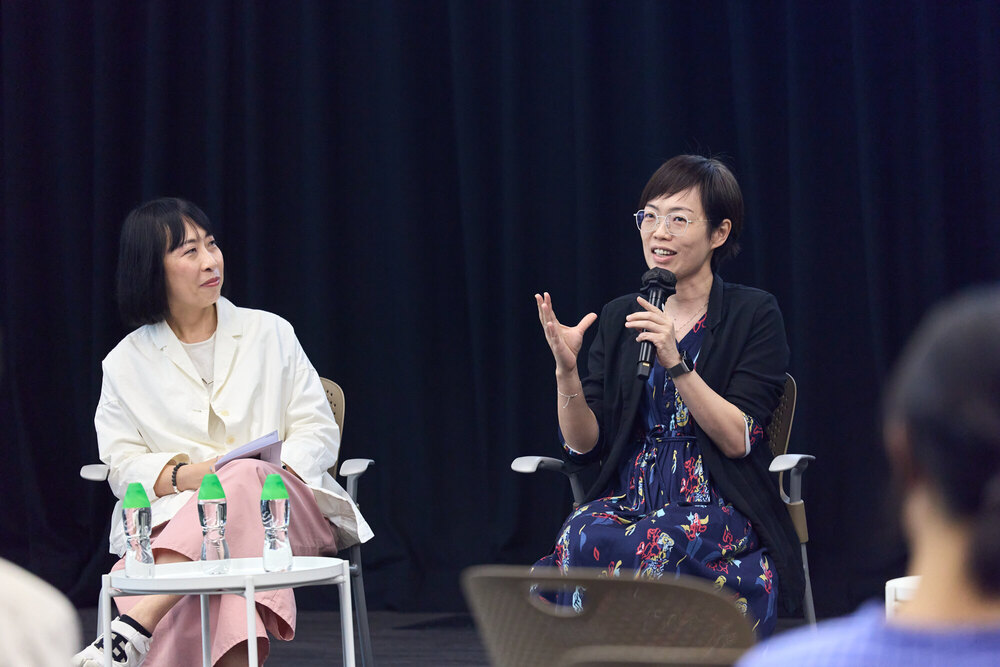
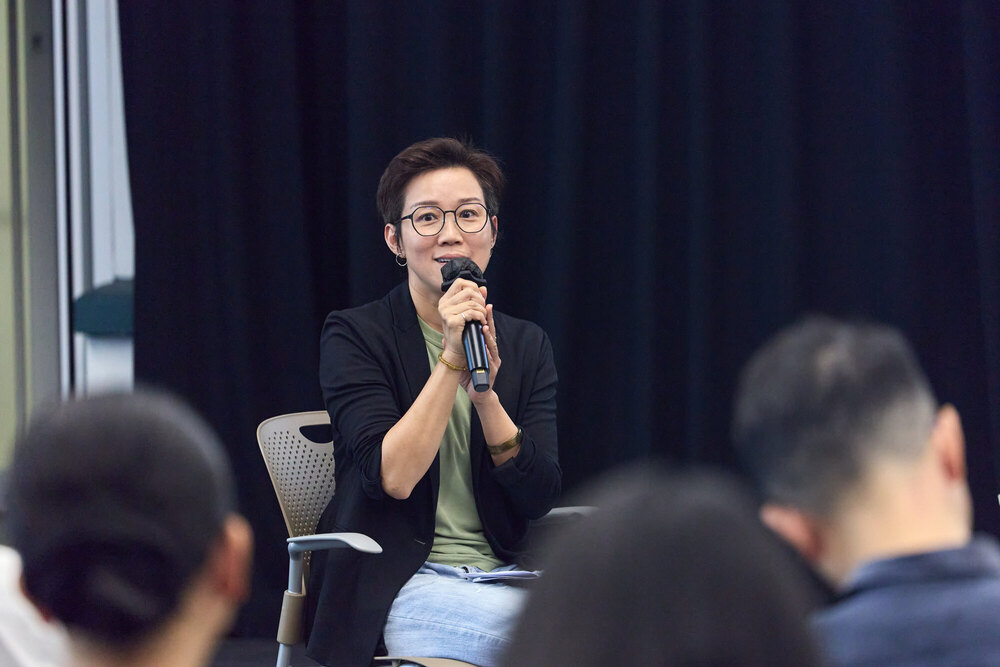
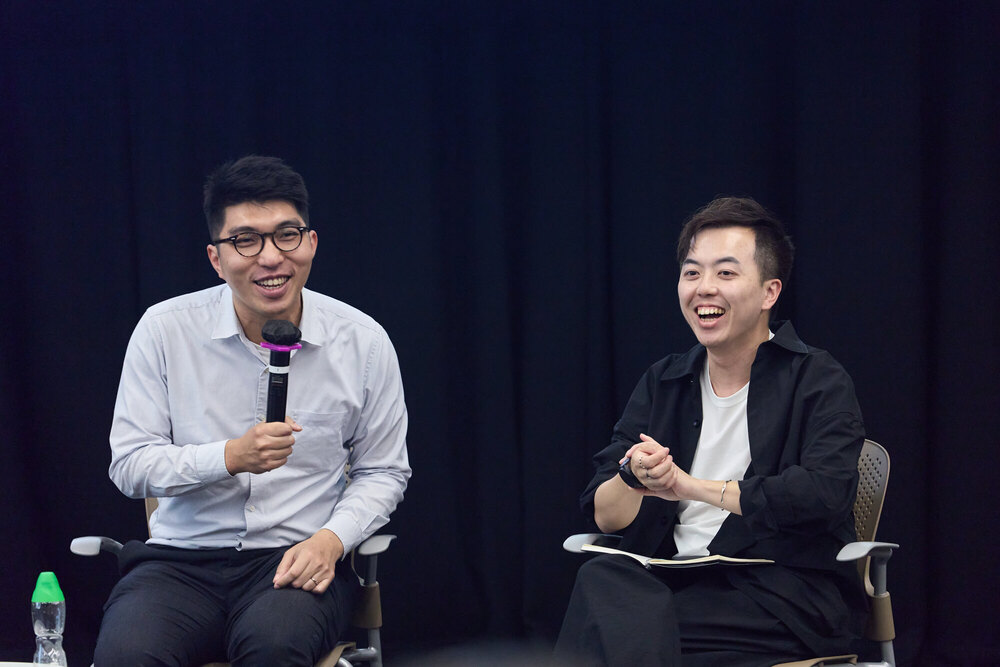
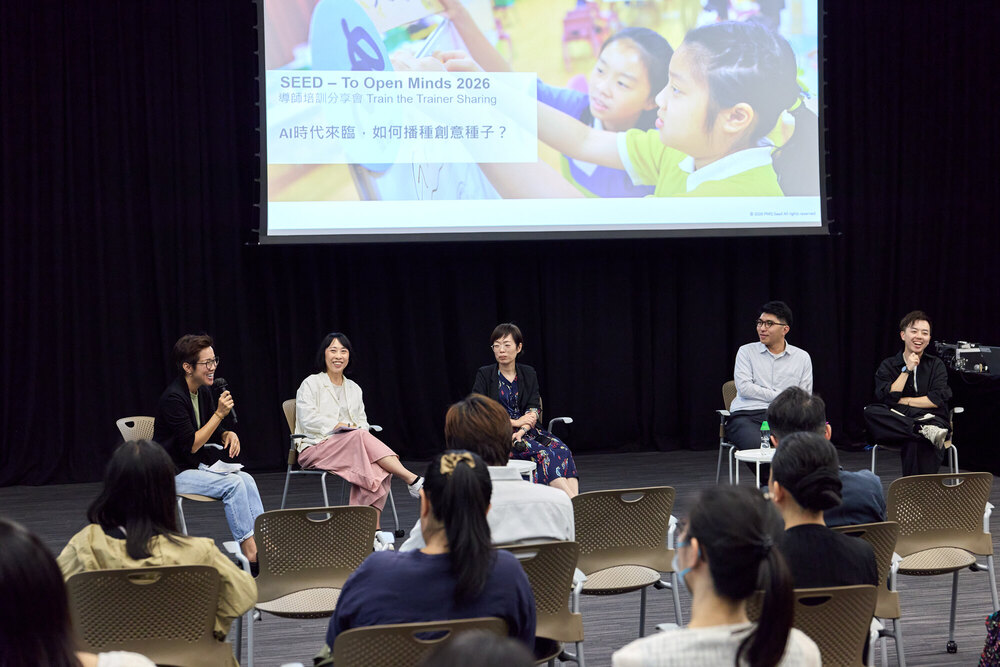
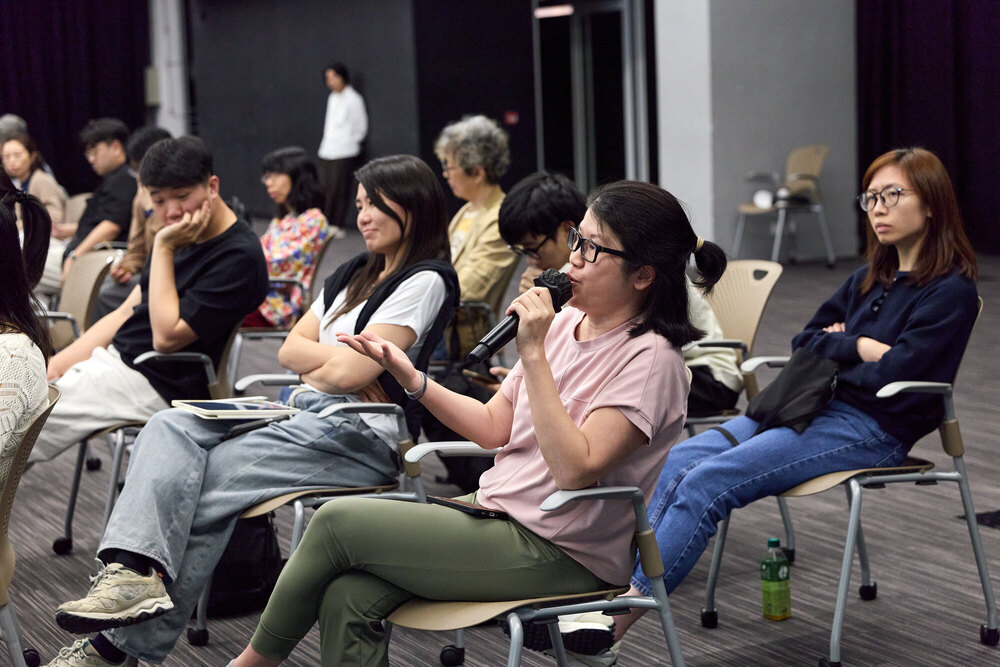
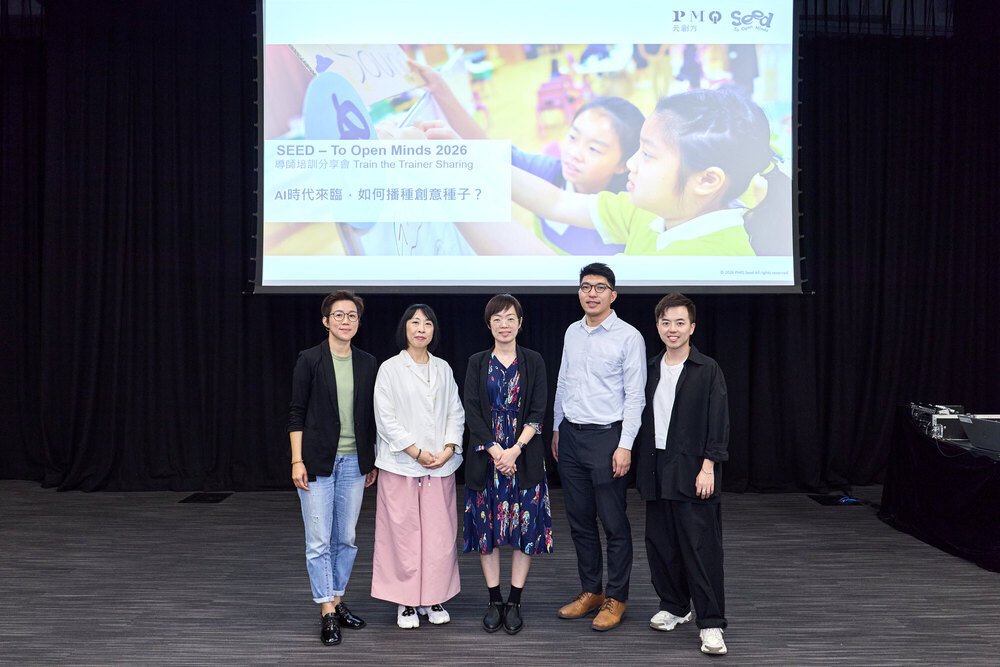
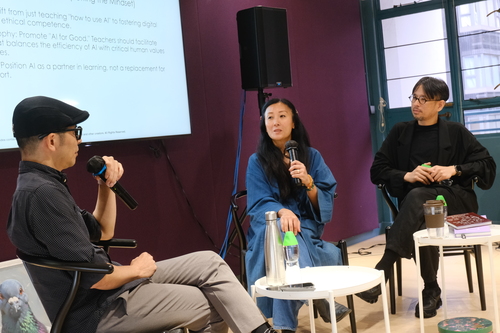
PMQ Seed hosted the Train the Trainer Workshop Series: “Sharing: In the Age of AI, How Do We Plant the Seeds of Creativity?” in March. The session featured General Manager of CreativeKids Ms. Lo Po Chun (Lopo) , School Teacher of Pentecostal Gin Mao Sheng Primary School Ms. Chan Ka Ngai , Assistant Principal of Caritas Wu Cheng-Chung College Mr. Lo Yuk Kwong , Senior Director (Branding and Programmes) of PMQ Ms. Iris Chow and Executive Director of Ednovators Mr. Marco Shek. Together, they explored how education can balance technological advancement with the value of humanity in an era of rapid AI development.
As an educator and a mother, Lopo started the session by sharing her experience in using AI with her daughter in schoolwork, then she further elaborated the role of AI in creative education, highlighting its applications and potential as a supporting tool. Extending to the school level, Ms. Chan presented the usage of AI at the school. She is currently assisting in developing a school programme focused on designing gerontechnology for the elderly, inspired by PMQ Seed’s Creative Training Class (Primary 3) last year, “Footloose: A Sensory Jukebox.”. Since it is difficult to engage the elderly for the entire course,, the school trains an AI model after students completing the interviews with the elderly, and transforms it into an “AI Elderly” persona that allows students to refine and test their design concepts. Mr. Lo shared how students used AI to explore community issues, noting that while AI can provide information, it often struggles to capture the “real pain points” within a community. Both speakers emphasised that design thinking is fundamentally human-centred, noting that genuine human needs and emotions remain areas that AI cannot replace.
Iris and Marco approached the topic from the perspective of creative education, highlighting that students develop empathy, critical thinking, collaboration and communication skills through real interactions and experiences. They stressed that creative education should remain rooted in a human-centred approach, with AI serving as a supportive tool to facilitate iterative experimentation and creation.
Through insights shared by speakers from diverse backgrounds, the session explored future directions for AI and creative education. PMQ Seed hopes that educators and creative professionals interested in education can gain a deeper understanding of how to guide students in leveraging AI to enhance their creativity.
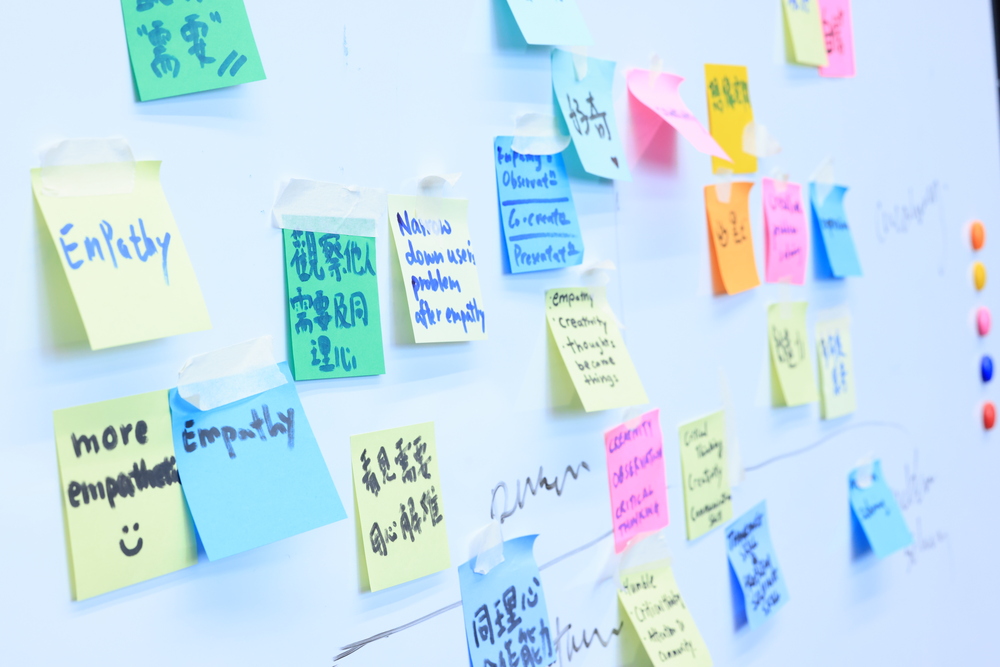
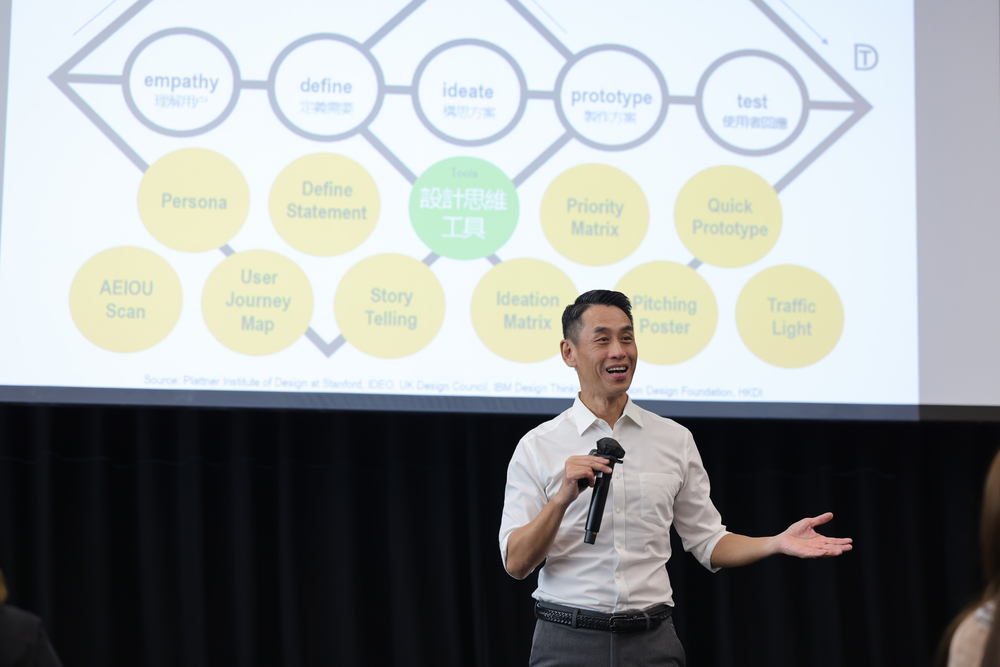
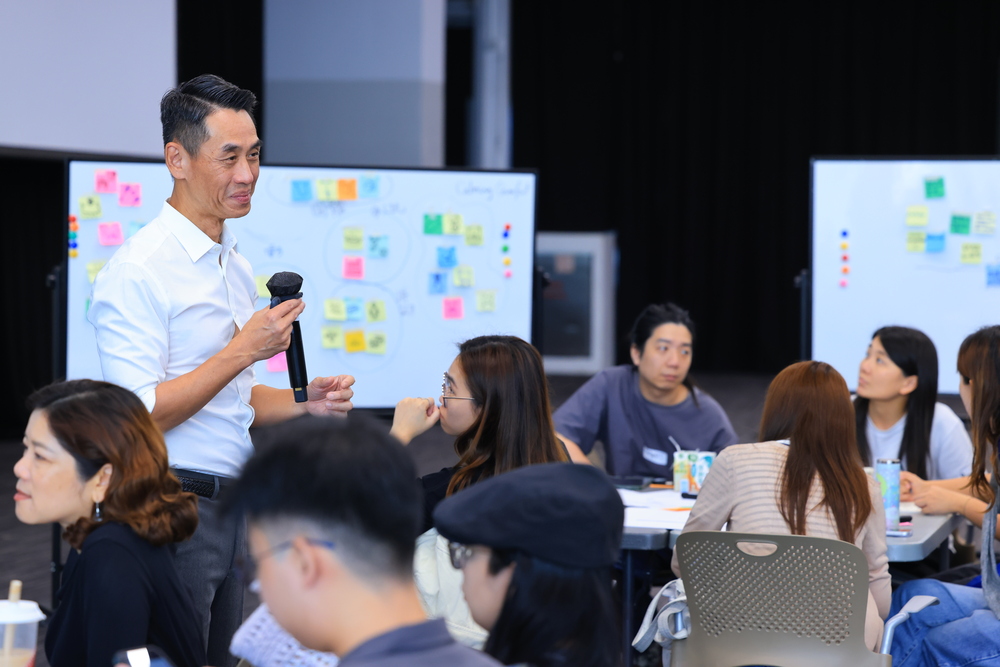
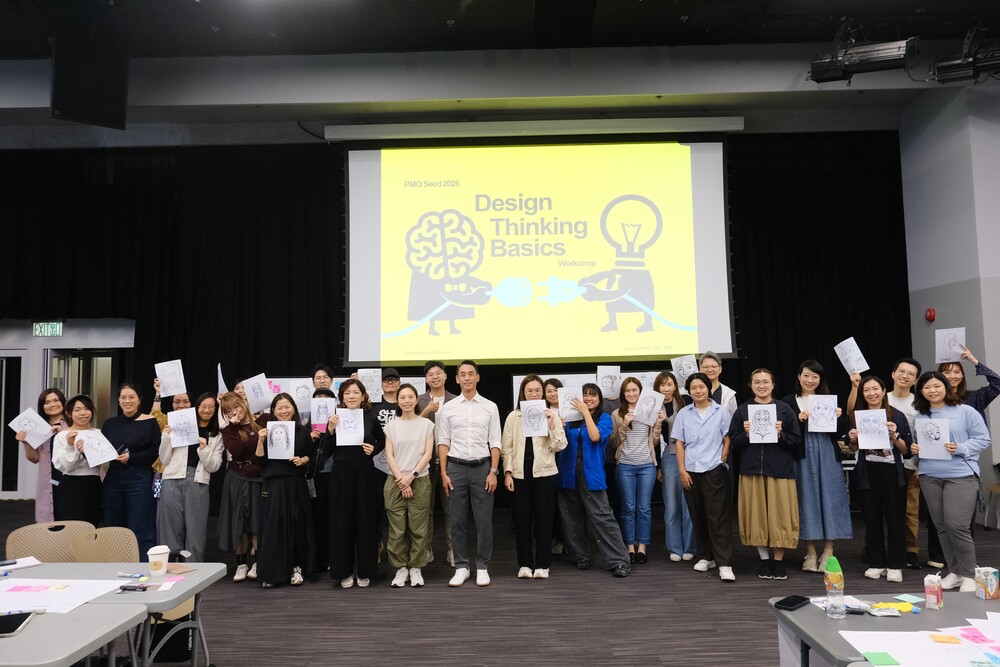
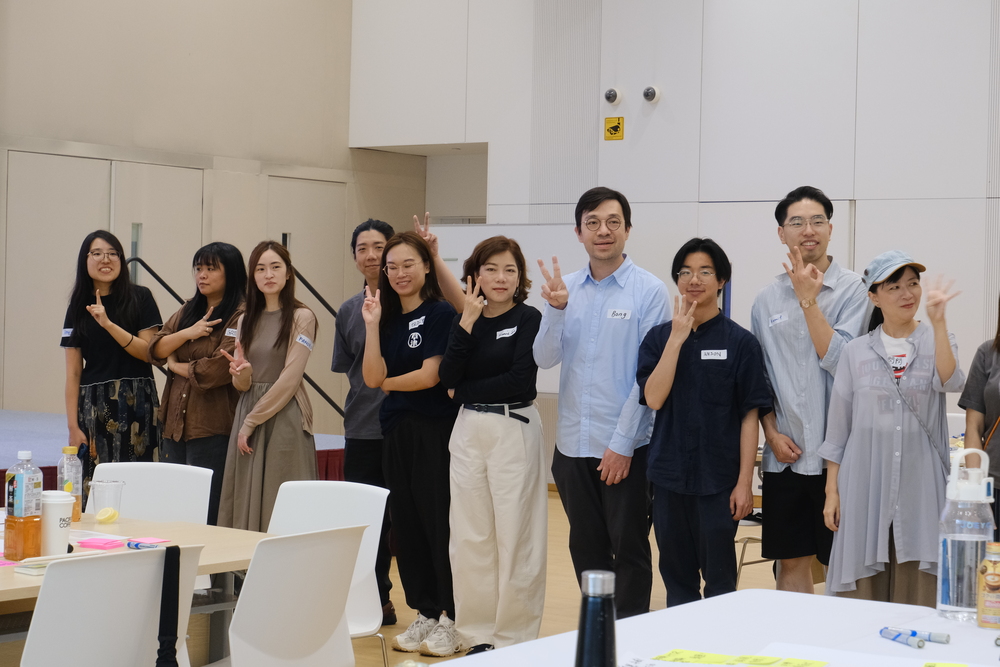
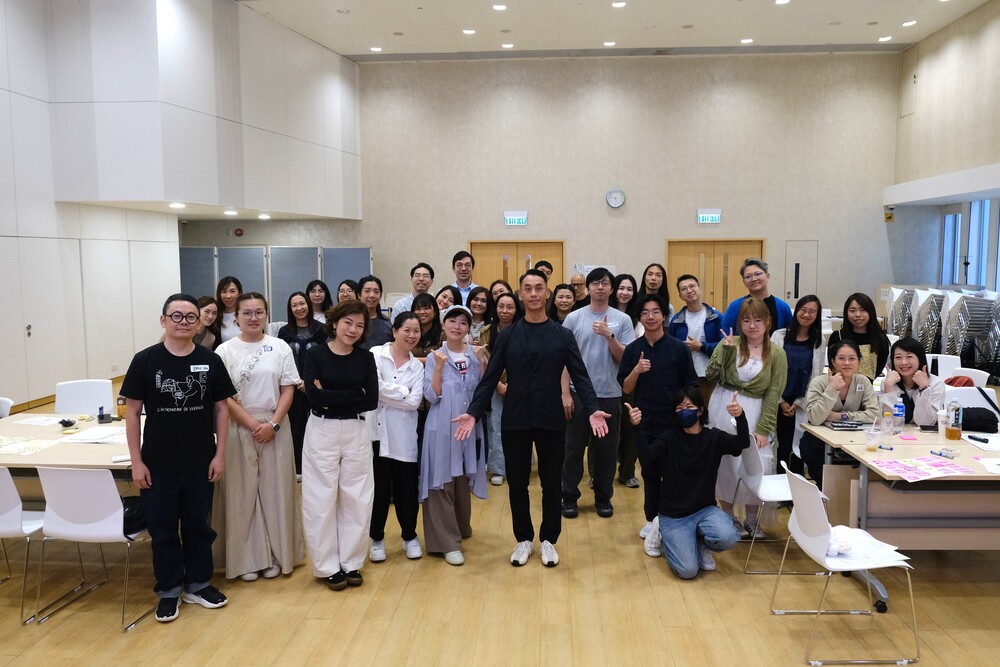
This year, PMQ Seed continues the collaboration with the Design Thinking team from the Hong Kong Design Institute (HKDI). Led by lecturer Edwin Wong, a two-day workshop was conducted. In response to the integration of Artificial Intelligence (AI) into this year’s SEED programme, Edwin also introduced how AI can be applied in the practice of design thinking.
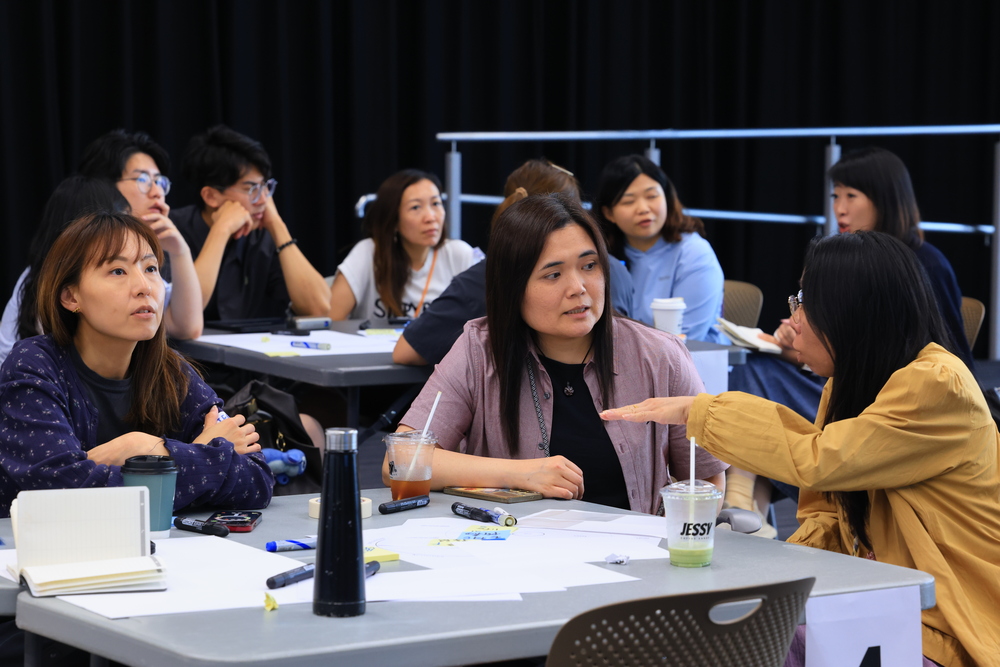
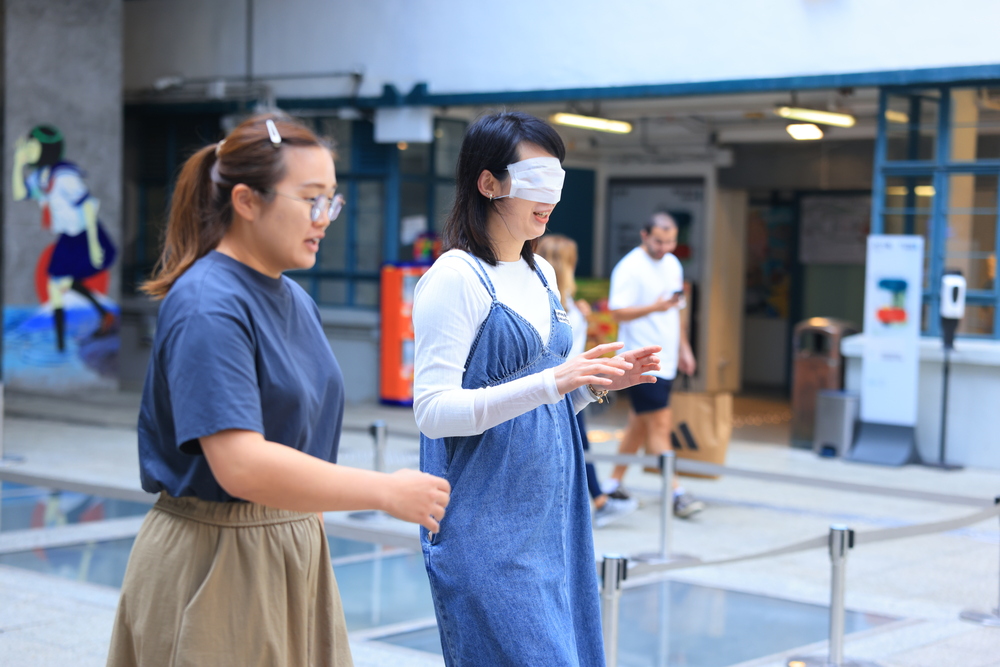
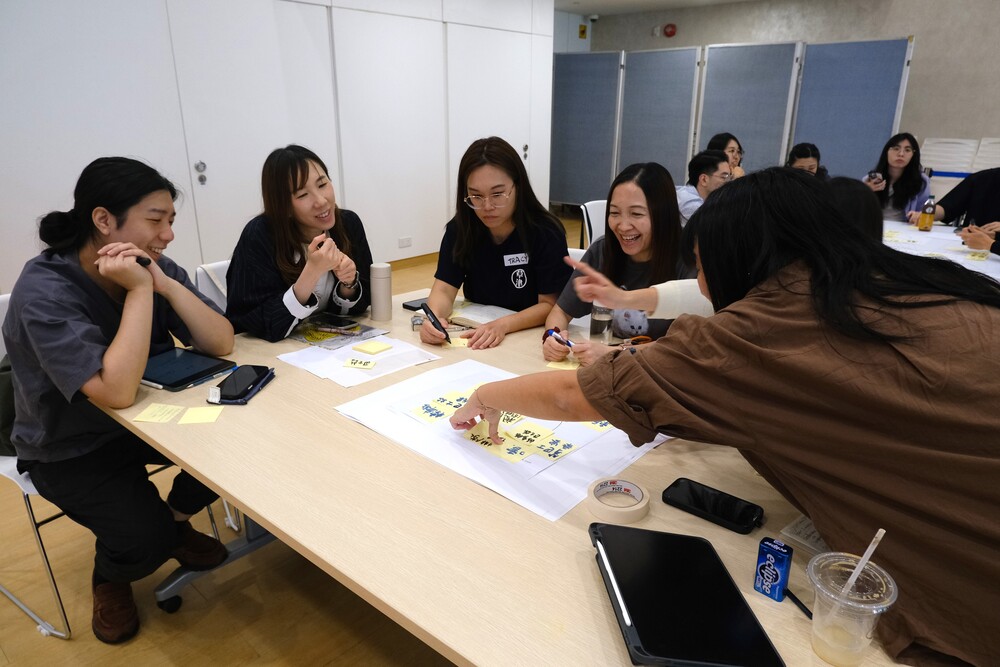
On Day 1, Edwin shared the fundamental concepts of design thinking. Through various case examples, participants learned how to approach problems from a user-centred perspective, identify pain points, and apply both divergent and convergent thinking to analyse and develop solutions. Participants also engaged in a simulation activity to experience the perspective of visually impaired individuals, gaining insight into user experience.
On Day 2, participants further explored design thinking through approaches such as experiential learning and outcome-based education. Edwin facilitated interactive activities that allowed participants to learn through collaboration and experience the process of Trial and Error firsthand. To help participants understand how AI can be integrated into design thinking, Edwin guided them in using different prompts to collaborate with AI. Through this process, participants explored problems, analysed pain points, and refined their direction, leveraging AI as a supportive tool to arrive at optimal solutions iteratively.
Hong Kong Design Institute - Design Thinking Team
The Hong Kong Design Institute’s Design Thinking Team was founded in 2017, and is focused on developing design thinking partnership and training programmes. The team consists of higher education professionals with extensive experience in the field of design, who are passionate about facilitating the education and application of design thinking in tertiary, secondary, and primary schools, as well as the design industry.
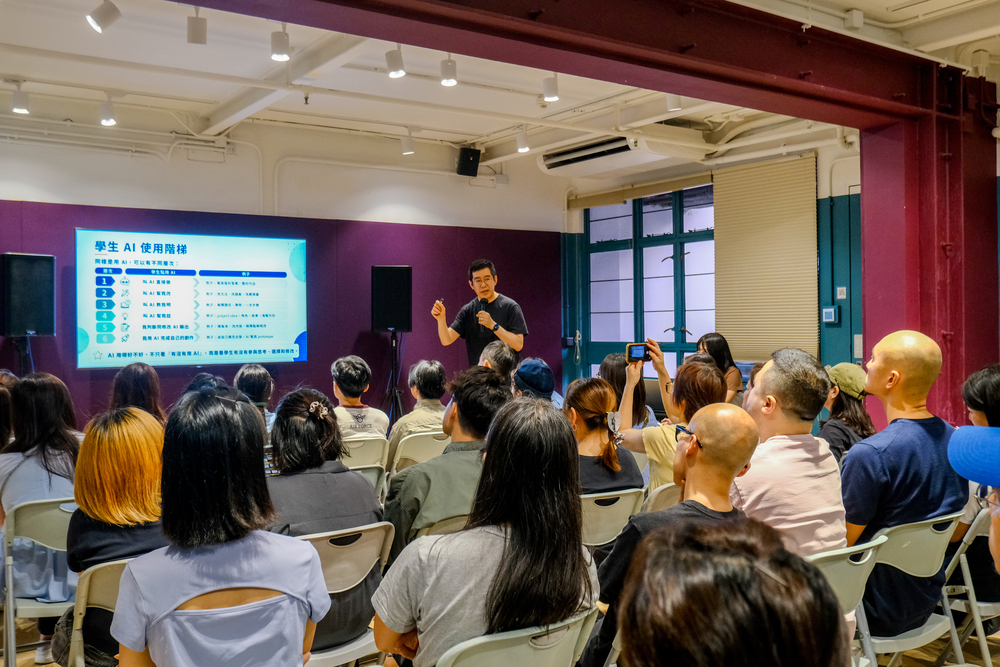
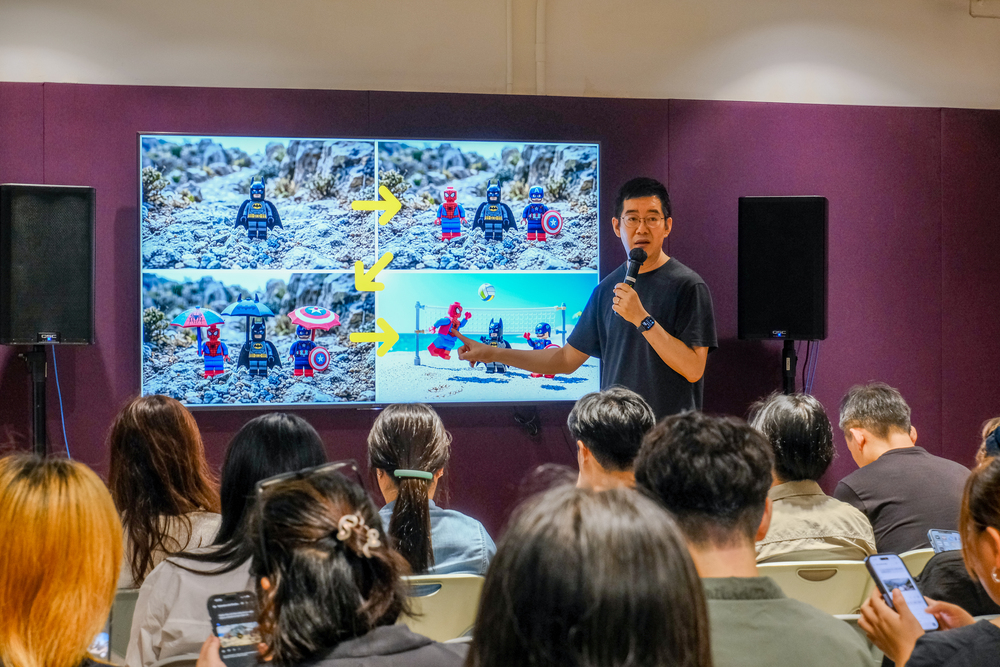
PMQ Seed invited Dr. Jackei, the founder of DayGen AI Limited and RoboCode Academy, to deliver a seminar for teaching teams, school teachers and other creative educators about the landscape of using AI in Hong Kong education. He offered an in-depth exploration of the practical applications of Artificial Intelligence (AI) in school education today, as well as the opportunities and challenges it brings.
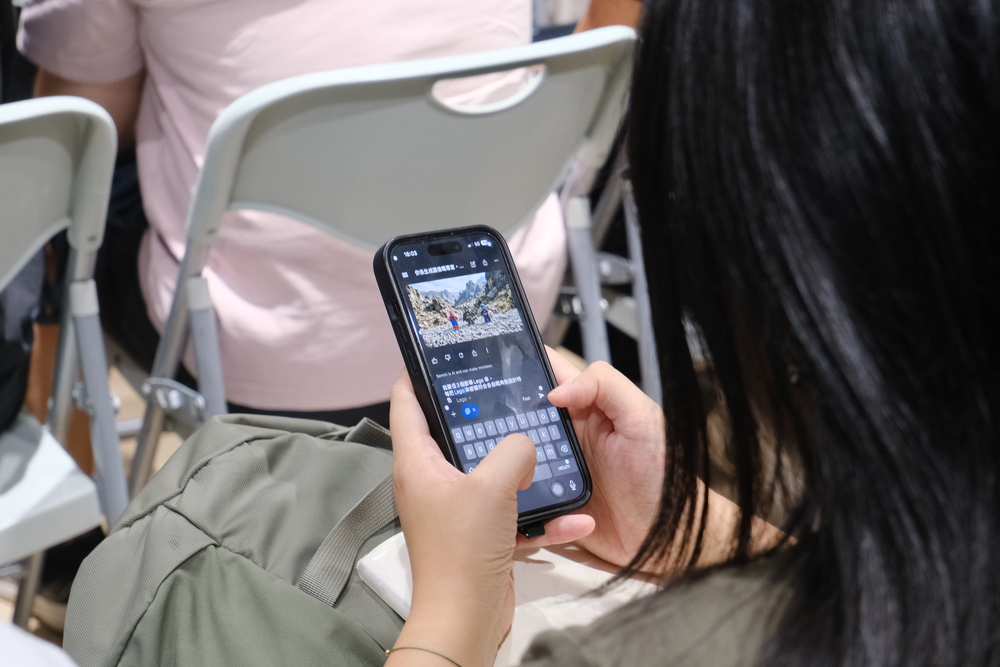
Dr. Jackei explained that schools mainly use AI for information research, language learning, and image generation. These tools allow students to access a wider range of knowledge and technologies, opening up more possibilities in the learning process. During the seminar, participants experimented with different prompts to observe variations in generated outputs. Through case studies, they also practised identifying real versus AI-generated images, prompting reflection on how AI blurs the boundary between reality and the virtual world. Dr. Jackei emphasised that educators should guide students to view AI as a supportive tool, noting, “The effectiveness of using AI is not about whether students use it, but whether they engage in thinking, choosing, and revising.”
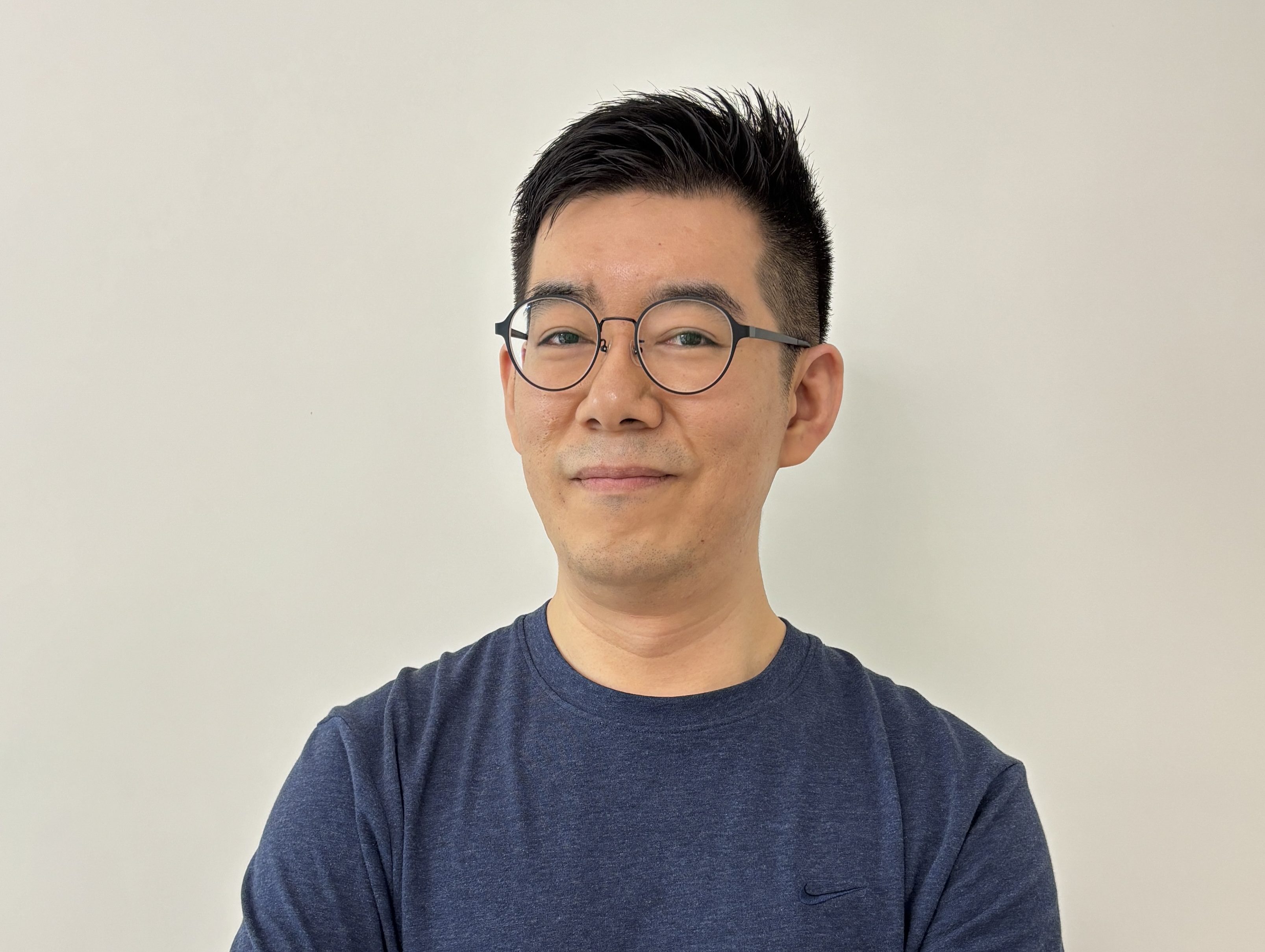
Dr. Jackei Wong
Dr. Jackei Wong has over 20 years of experience in Artificial Intelligence (AI) research, education, and technology applications. He is the founder of DayGen AI Limited and RoboCode Academy, an AI book author, an AI technology education YouTuber, and an experienced patent inventor. He has long been committed to promoting the widespread adoption of AI, helping organizations, educational institutions, and professionals apply AI in daily work, learning, and business development.
As a senior corporate AI and Generative AI (GenAI) training expert, Dr. Jackei specializes in designing and delivering practical, application-focused AI courses. His training covers areas such as AI fundamentals, Prompt Engineering, GenAI tools, content creation, office productivity enhancement, and workflow automation. His programs emphasize hands-on practice and real world implementation, aiming to help corporate teams improve efficiency, creativity, and decision making, while transforming AI into a sustainable competitive advantage.
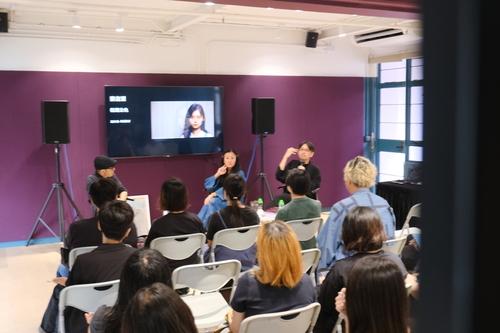
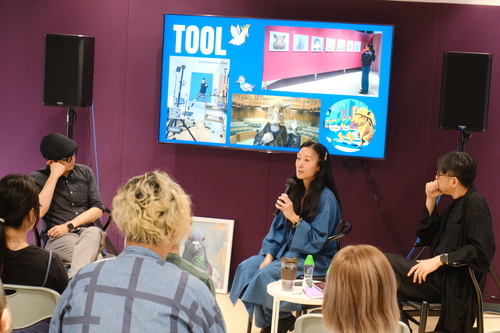
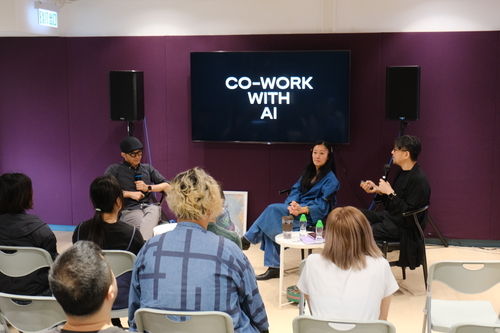
This year, PMQ Seed has integrated Artificial Intelligence (AI) elements into our programme, with the aim of positioning AI as a supportive tool to help children develop and express their creative ideas. In response to this theme, PMQ Seed invited Eddy Hui, the vice chairman of the Hong Kong Designers Association and multimedia designer; Keith Lam, a media artist and the co-founder and artistic director of the art-tech collective Dimension Plus; and Anita Lam, the campaign director of the art collective ALAN, to share their experiences and perspectives on using AI in creative practices, as well as the possibilities of integrating AI into creative education.
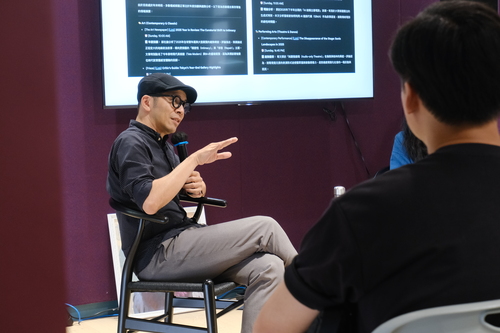
Having extensive experience in the education field, Eddy shared how he guides students in using AI for creative work. For example, he encourages students to begin with hand-drawn sketches, allowing them to independently develop their ideas before using AI as a supporting tool to bring those ideas to life, such as digitising their sketches. This approach enables students to further explore possibilities while building on their original concepts. He also emphasised that before using AI, students should develop basic awareness of online safety and AI literacy, including a proper understanding of copyright.
From the perspective of artistic creation, Keith shared examples from his own work and other artists who use AI in their practices. He illustrated how AI can be used for “cognitive outsourcing,” as well as techniques such as sound processing, storytelling, and “vibe coding” can support the creative process such as transforming body movements into virtual imagery or generating desired sound effects through AI processing of different audio frequencies. These approaches not only expand technical possibilities, but also significantly improve creative efficiency.
Being experienced in curating exhibitions, Anita highlighted how advancements in AI technology have enhanced the interactivity of exhibitions, enabling closer connections between audiences and artworks. She shared one of her AI art projects, in which her team used data from orangutans in Sumatra, Indonesia, to create a virtual orangutan capable of interacting and communicating with humans. The project fosters greater public appreciation and respect for animal intelligence, personality, and ecological importance.
Finally, the three speakers discussed the relationship between AI and artistic creation, proposing that “AI can be seen as an ecosystem or a species that supports you,” helping creators complete aspects of work they may not excel at or cannot accomplish alone. As such, the ability to craft precise prompts becomes increasingly important. At the same time, they noted that the variability of AI-generated outputs makes it difficult to fully replicate or reproduce works, which can also be seen as a limitation of AI in creative practice.
Through this sharing session, it is hoped that the teaching teams can gain a more comprehensive understanding of both the advantages and limitations of AI in artistic creation, enabling them to better guide students in leveraging AI to unlock their creative potential.
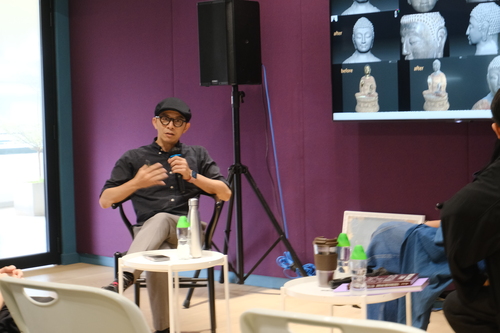
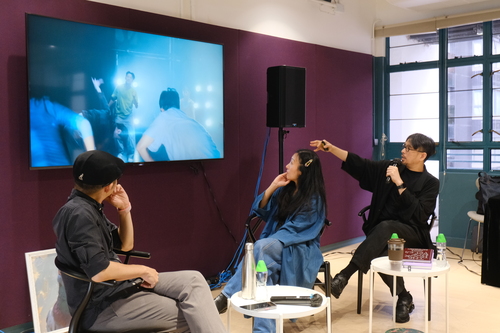
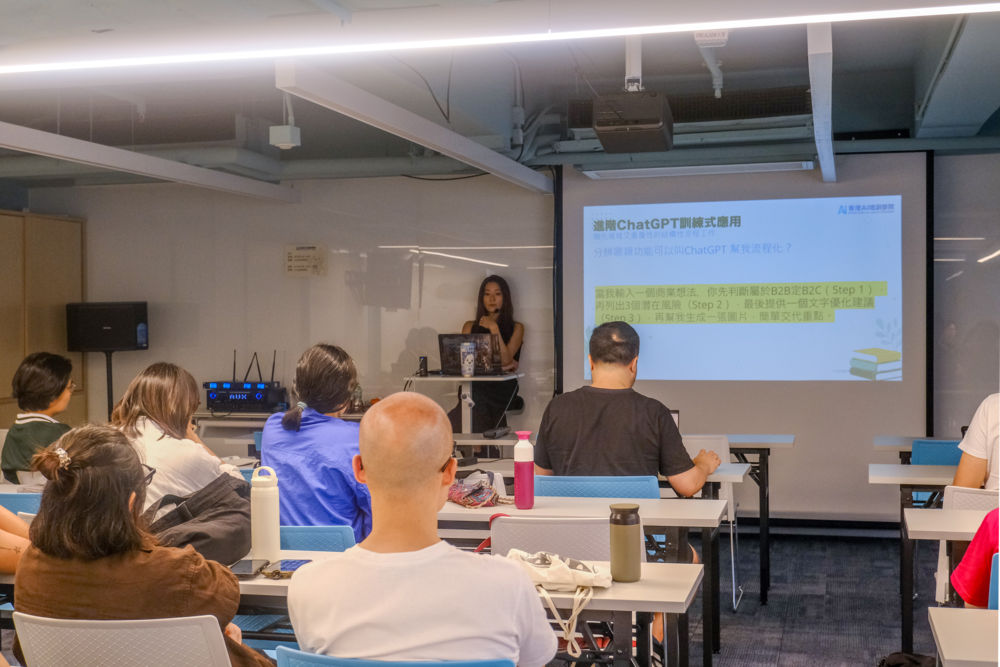
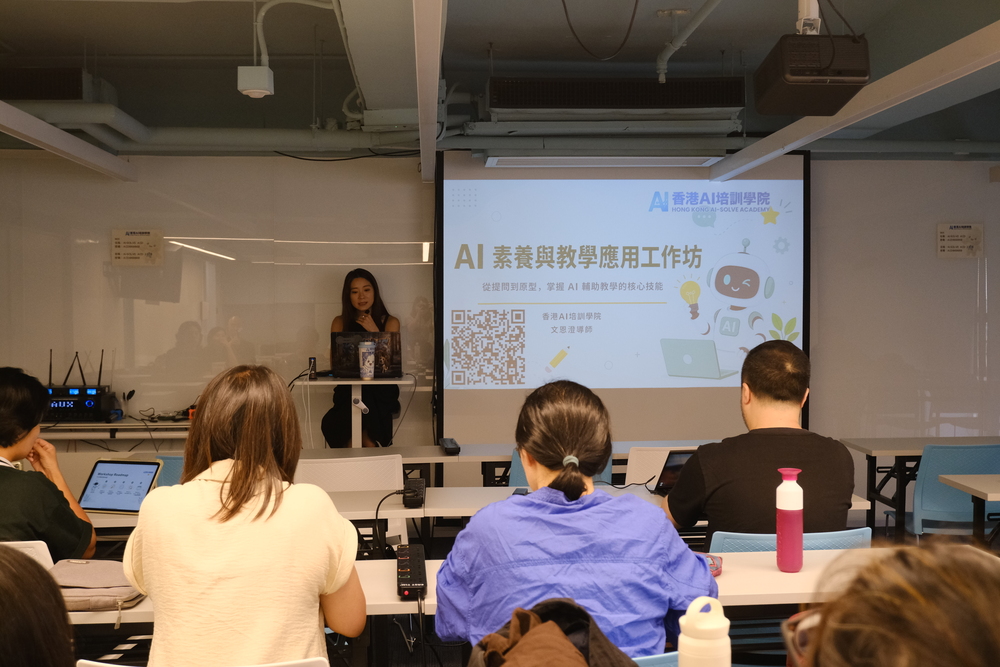
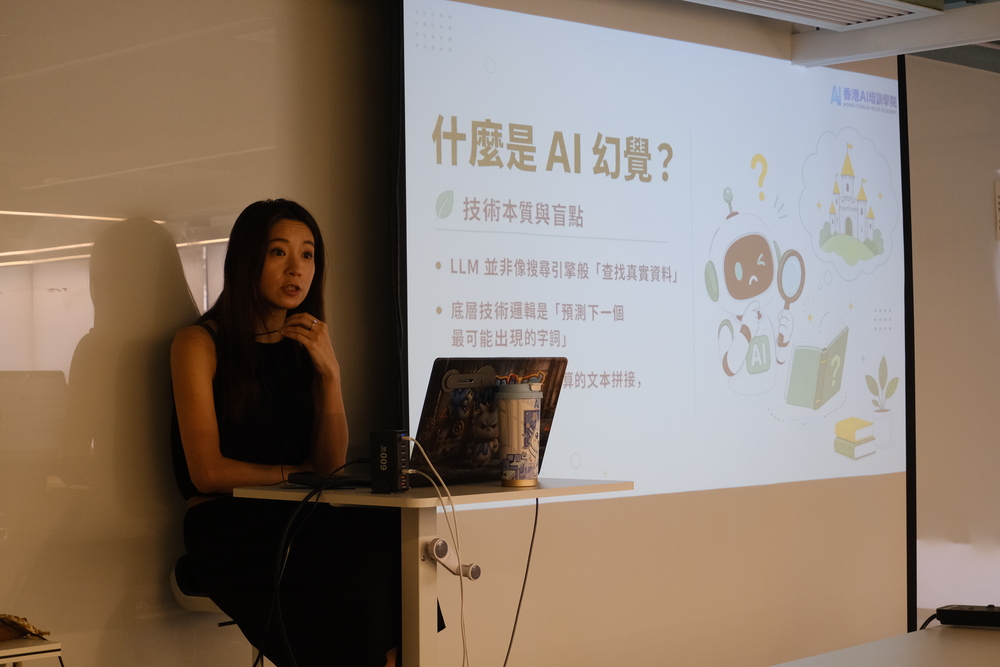
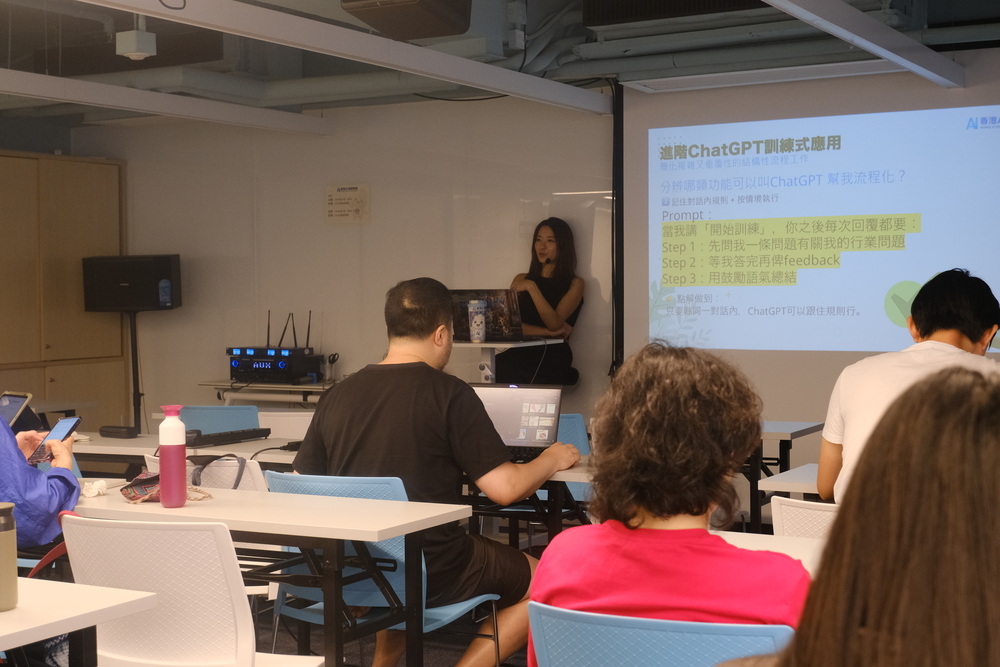
To help the teaching teams gain a deeper understanding of Artificial Intelligence (AI) applications, PMQ Seed invited Rannes Man, the founder of the Hong Kong AI-Solve Academy, to introduce the characteristics and practical uses of four major types of AI tools, and to inspire teaching teams on how to effectively integrate AI into teaching. The workshop also covered potential risks associated with AI usage, such as “AI hallucinations,” helping tutors develop a more comprehensive understanding on AI.
The four main types of AI tools include Large Language Models (LLMs), AI agents, generative tools, and development tools. Using LLMs as an example, she highlighted that effective prompt design should include role, task, context, format, and constraints to ensure that AI-generated content meets specific needs, with users further refining the output into a final version. The process emphasises iterative improvement through multi-turn interactions, demonstrating the proper way to work with AI.
In addition, Rannes introduced the concept of “debugging culture,” emphasising that using AI is an ongoing process of Trial and Error. This approach can help tutors guide students to understand that AI is not a perfect tool, while fostering critical thinking skills, enabling them to evaluate, refine, and continuously improve outputs for more effective use of AI.

Hong Kong AI-Solve Academy
Founded by director and AI instructor Rannes Man, the Hong Kong AI-Solve Academy is a pioneer in local Artificial Intelligence application education. Upholding the principles of being "Practical, Creative, and Actionable," the Academy focuses on cultivating a new generation of AI practitioners equipped with both applied skills and innovative thinking. Through market-oriented course design and practical teaching strategies, the Academy transforms AI from a high-barrier technology into accessible knowledge capital, empowering knowledge workers across all industries to integrate AI into their everyday workplaces and proactively seize the opportunities of the intelligent era.
Rannes Man
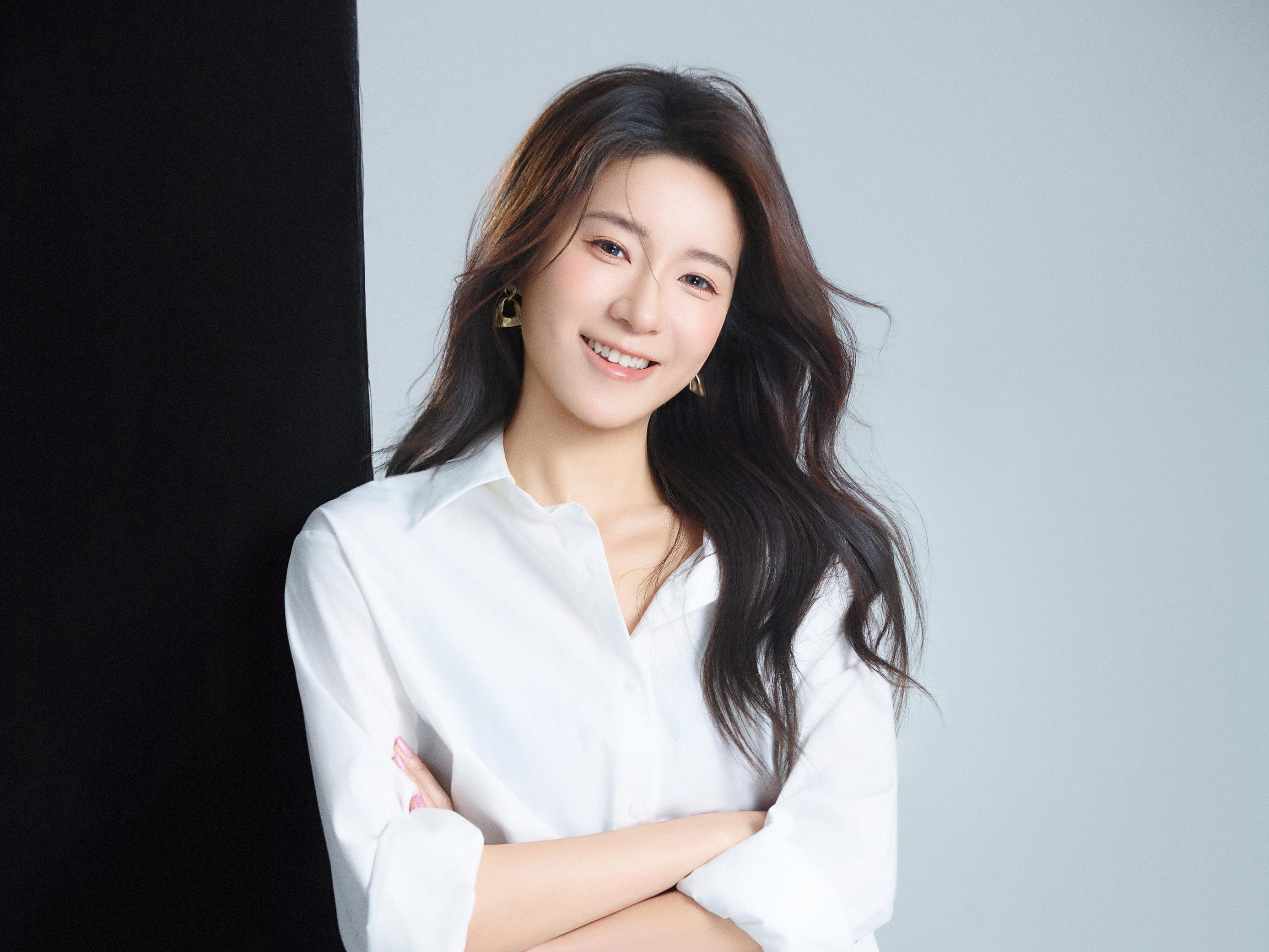
Rannes Man is a leading specialist in Artificial Intelligence education and the founder of Hong Kong AI-Solve Academy. Majoring in Computer Science in the US, she brings nearly 20 years of experience as an award-winning film director and producer. Since dedicating herself to AI education in 2023, Rannes has successfully trained over 2,500 students and has been invited to speak by major tech giants including Google, Apple, and Adobe. Renowned for her ability to demystify complex technical concepts, she has served as a Digital Marketing Lecturer at The Hong Kong Polytechnic University and an AI Applications Lecturer at the University of Macau. Her corporate training portfolio includes Manulife, Centaline Property, AIA, and Lenovo. Today, Rannes is committed to building a forward-looking educational ecosystem focused on AI pedagogy, empowering learners with the essential skills to thrive and stand out in the future global landscape.
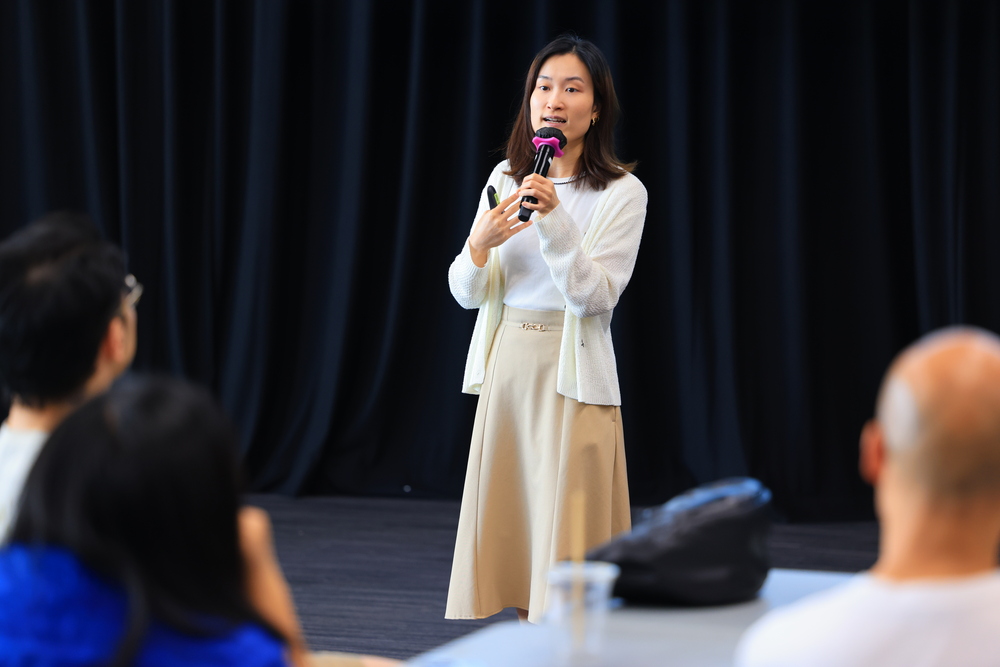
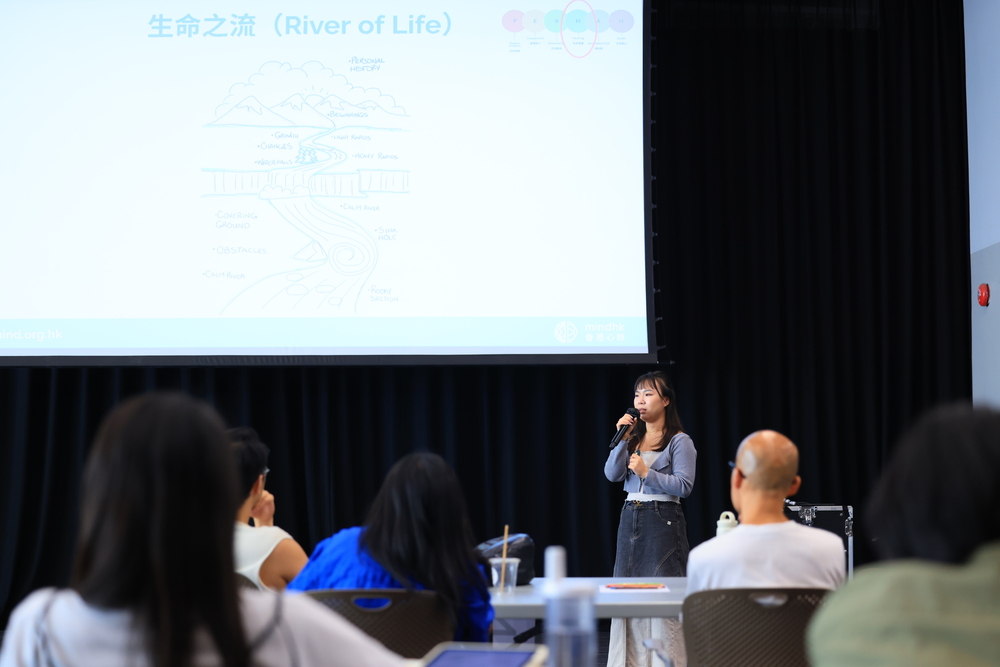
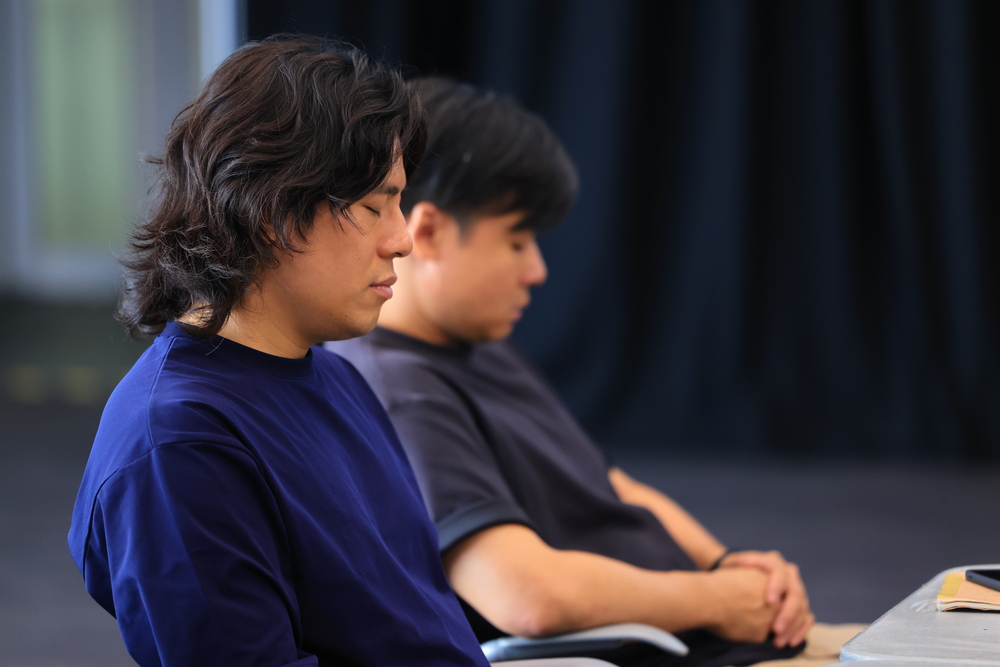
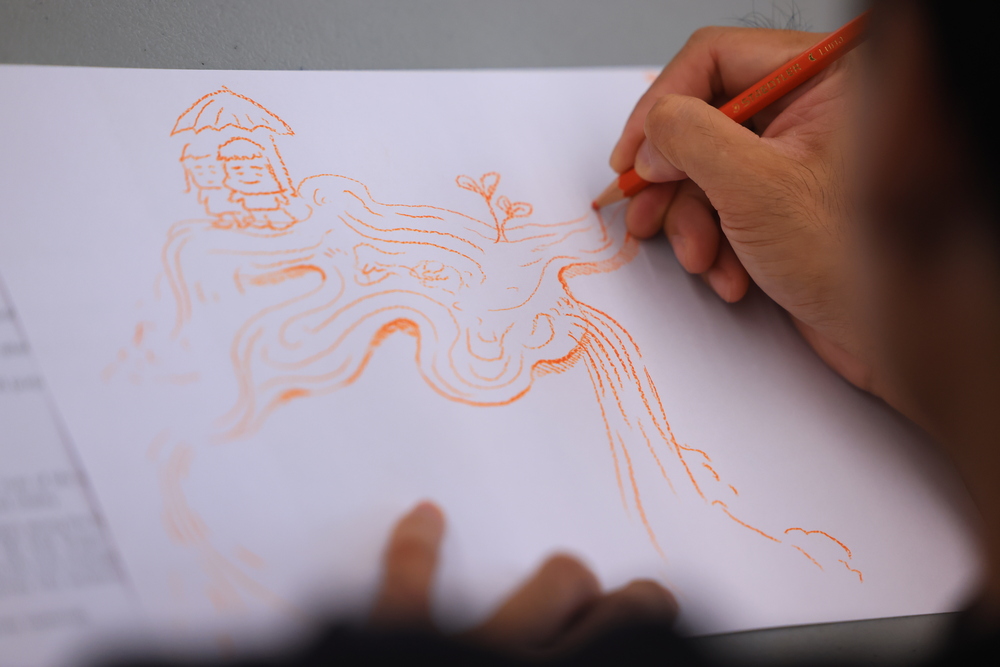
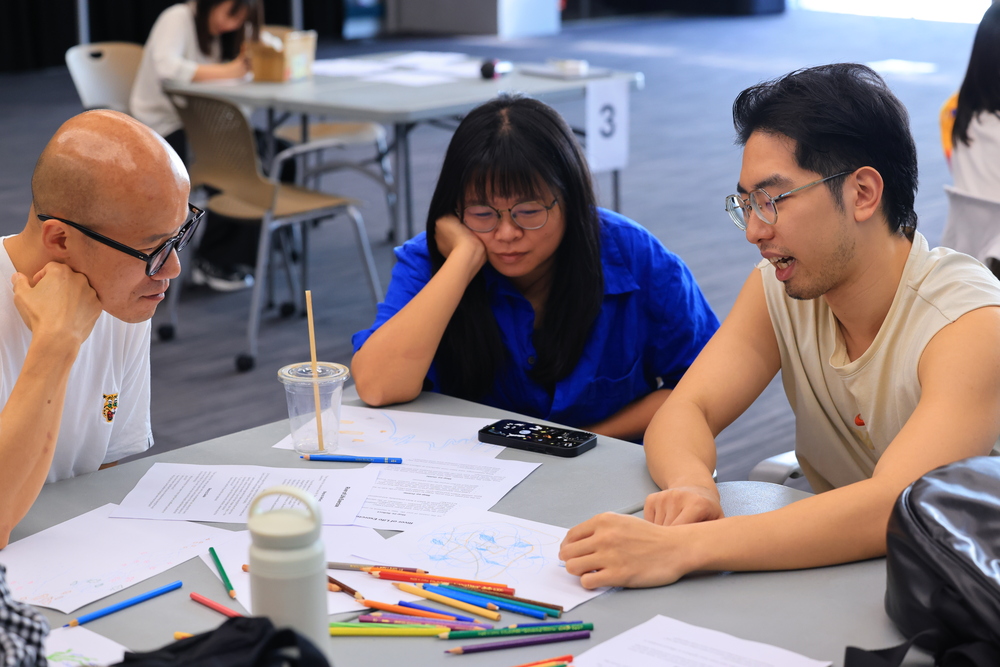
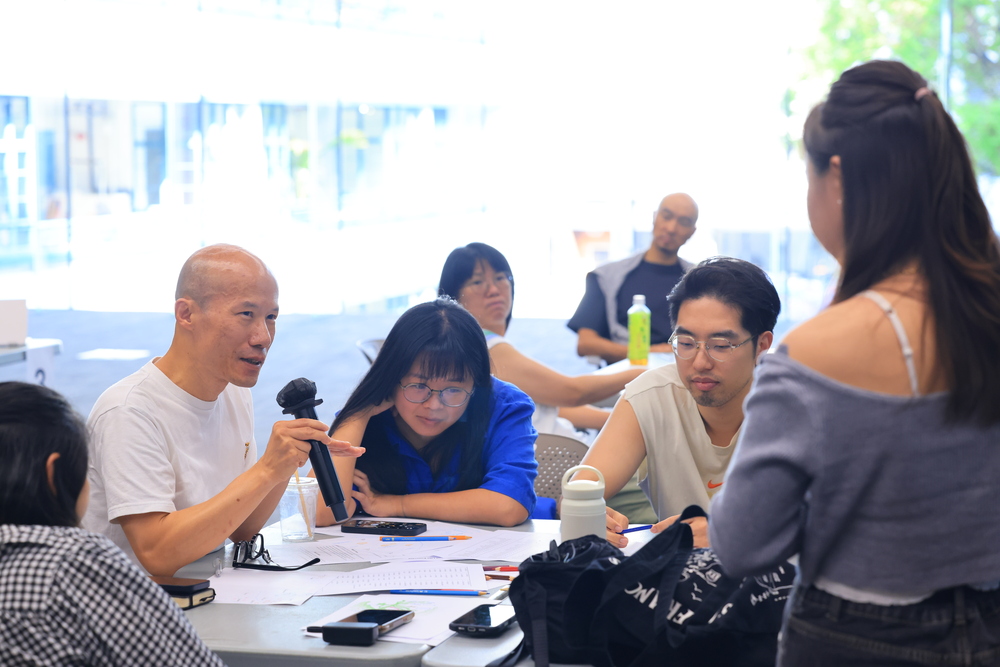
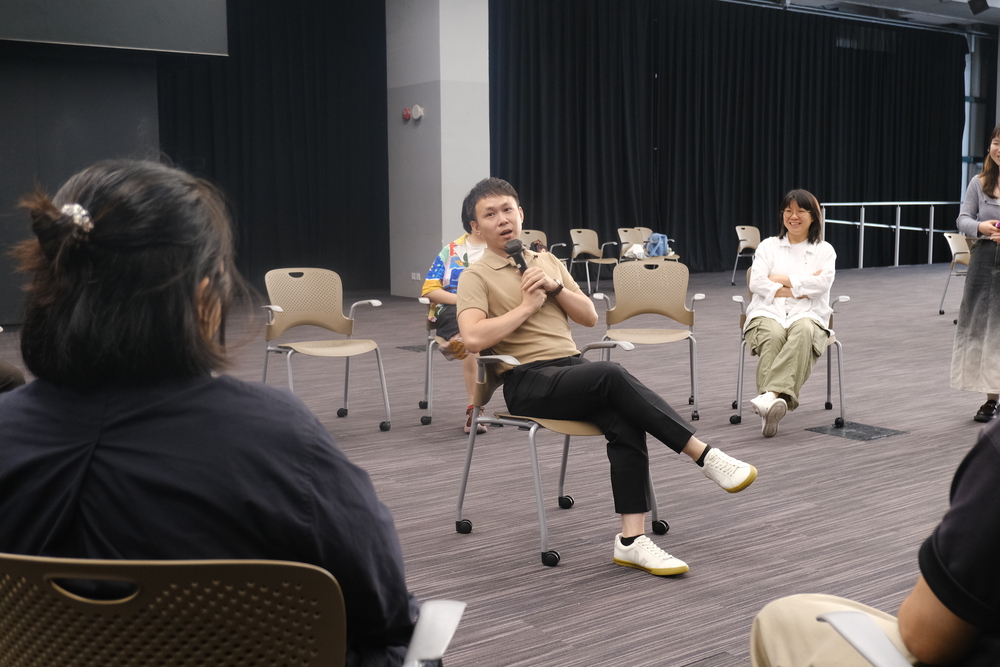
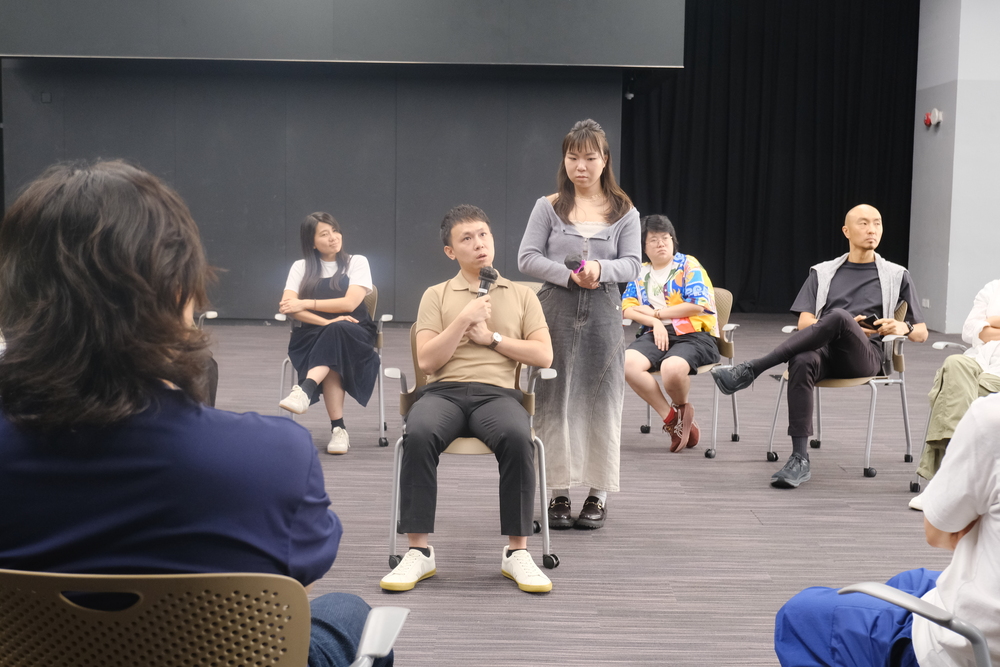
This year, PMQ Seed adopts the theme “Dare to Try,” with a focus on nurturing children’s resilience and equipping them to face an uncertain and ever changing future with confidence. We invited the training team from Mind HK, to deliver a session for the teaching teams, introducing core theories of resilience and growth mindset, and inspiring them to integrate these concepts into teaching.
The trainers mainly introduced three key concepts and models from positive psychology: the PERMA-H model, Growth Mindset, and Positive Reappraisal through lecture, scenario questions and group discussion and activities. The PERMA-H model encompasses Positive Emotions, Engagement, Relationships, Meaning, Accomplishment, and Health, encouraging individuals to build well-being through awareness across multiple dimensions. Growth Mindset encourages . Positive Reappraisal involves strategies such as psychological distancing, mindful observation, shifting attention, and reframing situations to help individuals respond more effectively to challenges.

Mind HK
Mind HK is a registered charity under Section 88 of the Inland Revenue Ordinance (91/16471), established in 2017. Our mission is to ensure that no one faces a mental health problem alone.
Through our work, we hope to improve awareness of mental health and mental health conditions, remove the associated stigma, and provide free psychological support to achieve the best mental health for all in Hong Kong.
Together with the existing collaboration and research efforts, we are here to support Hong Kong in becoming a global leader and regional model for public mental health.